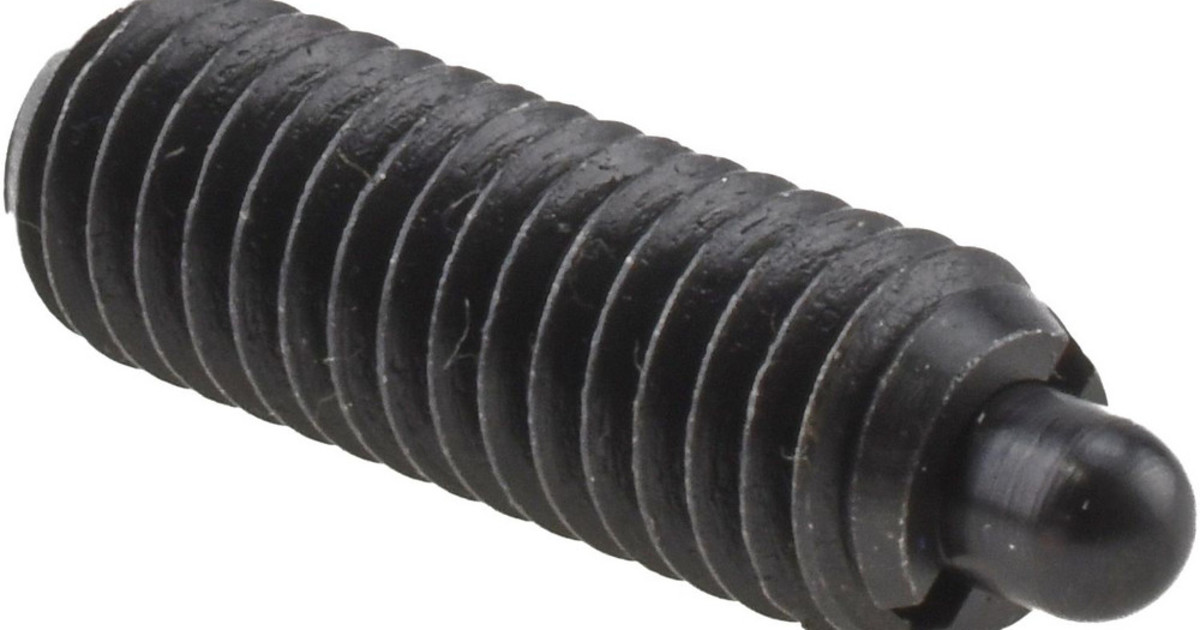
The humble spring, a coiled or bent piece of elastic material, often goes unnoticed in our daily lives. Yet, it is the unsung hero behind countless devices, providing the force, motion, and precision we often take for granted. From the click of a pen to the powerful snap of a trap, these ingenious components transform potential energy into kinetic energy, enabling a vast array of mechanisms that are often spring loaded. Their versatility lies in their ability to store mechanical energy when deformed and release it upon command, making them indispensable in engineering across every industry.
The Ubiquitous Power of Springs: Mechanisms That Are Often Spring Loaded
At its core, a spring is a device designed to store mechanical energy. When you compress, stretch, or twist a spring, you're investing potential energy into it. Release that spring, and it returns to its original shape, converting that stored potential energy into useful work. This fundamental principle, often governed by Hooke's Law (which states that the force required to extend or compress a spring is directly proportional to the distance of that extension or compression), is what makes springs so incredibly powerful and adaptable.
The sheer variety of springs is testament to their utility: coil springs (compression, tension, torsion), leaf springs, flat springs, volute springs, and more. Each type is engineered for specific applications, whether it's for absorbing shock, providing consistent pressure, or facilitating rapid movement. Understanding how these components function allows us to appreciate the subtle brilliance in the design of everyday objects and complex machinery alike. It's a testament to simple physics enabling complex functionality, making springs one of the most fundamental mechanisms that are often spring loaded.
Everyday Ingenuity: Springs in Household and Office Items
Look around your home or office, and you'll quickly find dozens of spring-loaded devices at work, silently performing their tasks with reliability. These are the unsung heroes of convenience and functionality.
- Retractable Pens: Perhaps the most common spring-loaded device, a retractable pen uses a small compression spring to push the ink cartridge forward and retract it. This simple mechanism prevents ink from drying out and offers satisfying tactile feedback with every click.
- Door Latches and Locks: Many door locks and latches employ springs to return the bolt or latch to its closed position. When you turn a doorknob, you compress a spring; release it, and the spring pushes the latch back into the strike plate, securing the door. Keyed locks often use tiny springs to push pin tumblers into place, creating a secure locking mechanism.
- Bulldog Clips and Paper Binders: These stationery staples leverage powerful torsion springs to maintain a constant, strong clamping force. The spring holds the jaws tightly together, securing stacks of paper with unwavering grip. Their simple design hides a robust engineering principle that keeps documents organized.
- Mattresses and Upholstery: Beneath the fabric of your bed or sofa lies a complex array of springs. Coil springs (Bonnell, pocketed, offset) in mattresses provide support, absorb motion, and distribute weight, ensuring comfort and durability. The springs work in concert to contour to the body, providing restorative rest.
These examples highlight how springs are integrated into designs for comfort, security, and ease of use, making our daily interactions with objects smoother and more effective.
Safety, Security, and Survival: Spring-Loaded Traps and Devices
While many spring mechanisms are designed for convenience, others serve more critical purposes, often involving quick, decisive action. These devices demonstrate the powerful, often sudden, release of stored spring energy.
- Mousetraps: The classic snap mousetrap is a prime example of a spring-loaded mechanism designed for rapid, forceful action. A strong torsion spring is held under tension by a bait-sensitive trigger. When activated, the spring releases its stored energy instantly, driving a bar down to secure the pest. This timeless design is both effective and a stark illustration of spring power. You can learn more about these fascinating devices in our article on Mousetraps and More: Exploring Spring-Loaded Mechanisms.
- Bear Traps and Animal Gins: On a much larger and more powerful scale, bear traps and traditional animal gins operate on similar principles to mousetraps. These devices utilize very strong, often multi-leaf or heavy-duty coil springs, designed to snap shut with immense force, intended for catching larger animals. Their historical use highlights the raw power that can be harnessed from springs, albeit with significant ethical considerations in modern trapping practices.
- Firearm Magazines/Feeders (e.g., Shotgun feeder): In firearms, springs are crucial for reliable operation. Magazines use compression springs to push cartridges upwards, ensuring that a fresh round is always presented for chambering. Similarly, spring-loaded feeders in certain shooting applications (like target shooting or specialized agricultural uses) can "fire" pellets or bait with consistent force and trajectory, demonstrating precision control of spring energy.
These applications underscore the critical role of springs in tools where immediate and powerful action is required, often for safety, control, or capture.
Springs for Play and Movement: Fun with Potential Energy
Springs aren't just for practicality; they're also fundamental to fun and motion. Their ability to store and release energy rhythmically makes them perfect for toys, sports equipment, and even the natural world.
- Pogo Sticks: The quintessential spring-loaded toy, a pogo stick is essentially a long stick with a footrest and a powerful compression spring at its base. The user pushes down, compressing the spring, and then releases, causing the spring to extend and propel them upwards, creating a bouncing motion. It's a direct, enjoyable demonstration of converting potential energy into kinetic energy for propulsion.
- Pop-Up Toys and Elements: Many children's toys incorporate springs to create surprise and action. Jack-in-the-box toys, pop-up books, or even intricate 'pop-up bead' necklace elements utilize small springs to animate figures or reveal hidden components with a satisfying 'pop' or spring-back action.
- Grasshopper Legs: Nature itself is full of ingenious spring mechanisms. Grasshoppers are a prime example. Their powerful hind legs contain a complex biological spring system. Specialized muscles slowly contract, storing elastic energy in a cuticle structure, which is then rapidly released, allowing the grasshopper to launch itself into the air with incredible speed and distance, far beyond what direct muscle contraction alone could achieve.
These examples showcase the joyful and dynamic applications of springs, demonstrating how they enable playful movement and even inspire biomechanical marvels.
The Unseen Engineering: Beyond the Obvious Spring Mechanisms
Beyond the common examples, springs are subtly integrated into a vast array of complex systems, providing crucial functions that are often overlooked but essential for performance and longevity.
- Valves and Switches: In everything from plumbing fixtures to complex industrial machinery, springs are used in valves to maintain a closed position, ensure a tight seal, or facilitate quick opening and closing. They provide the necessary force to reset switches after activation, ensuring consistent and reliable operation in electrical and mechanical systems.
- Automotive Suspension Components: Car suspension systems heavily rely on springs (coil springs, leaf springs, or torsion bars) to absorb shocks from road imperfections. Working in conjunction with dampers (shock absorbers), these springs allow wheels to move up and down independently, maintaining tire contact with the road and providing a comfortable, stable ride.
- Keyboard Keys: Each key on a computer keyboard (especially mechanical keyboards) often has a small spring underneath it. This spring provides tactile feedback, determines the "clickiness," and returns the key to its original position after being pressed, making typing a more precise and comfortable experience.
Tips for Maintaining Spring-Loaded Devices: While springs are robust, they aren't indestructible. Regular maintenance can prolong their life. For devices like door hinges or latches, occasional lubrication with a silicone or light machine oil can prevent rust and ensure smooth operation. For more complex devices, avoid over-stressing springs beyond their designed limits. If a spring loses its tension or breaks, replacement is often more cost-effective than attempting repair.
Why Springs Are Essential: The Enduring Legacy of Simple Machines
From the simplicity of a paper clip to the complexity of an automotive engine, spring-loaded mechanisms are indispensable. They embody fundamental principles of physics, offering a reliable, cost-effective, and elegant solution for storing and releasing energy, providing consistent force, absorbing shock, and enabling precise motion. Their pervasive presence across so many different applications is a testament to their enduring design efficacy. As technology advances, new materials and manufacturing techniques will only expand the possibilities for these ingenious components, ensuring that the humble spring continues to be a vital part of our engineered world, silently facilitating countless functions in the devices that power our daily lives.